I Know Why the Caged Bird Sings
“Life is going to give you just what you put in it. Put your whole heart in everything you do, and pray, then you can wait.
”
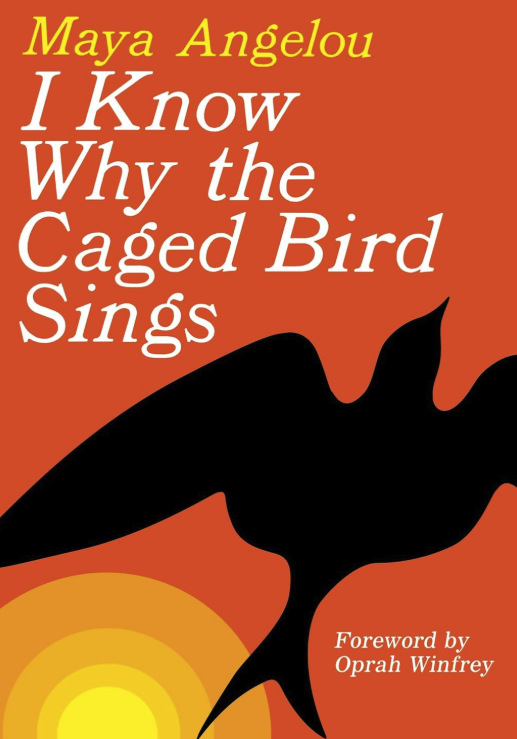
About This Book:
Published: 1969
Genre: Autobiography, Memoir, African American Literature
We follow Maya Angelou from age three to sixteen, chronicling her childhood in the segregated South and her adolescence in California. Sent by their parents to live with their grandmother in Stamps, Arkansas, Maya and her brother Bailey navigate the daily humiliations of racism, poverty, and abandonment.
At eight, Maya is sent to live with her mother in St. Louis, where she is sexually assaulted. The trauma silences her for years until a woman named Mrs. Flowers reintroduces her to literature and poetry, helping her find her voice again. The book follows Maya through several moves, ending when she becomes a mother at sixteen.
Written after the assassination of Martin Luther King Jr., the book was Angelou's way of processing grief and drawing attention to the Black American experience. Her friend James Baldwin encouraged her to write an autobiography that would also be literature, and she succeeded. The book blends fiction techniques with autobiography to create something both deeply personal and universally resonant.
Published in 1969, it became one of the first autobiographies by a Black woman to reach a wide audience. It's been both celebrated as essential reading and frequently challenged in schools for its honest treatment of racism, sexual violence, and trauma.
Maya Angelou became one of the most important cultural voices of the 20th century, celebrated as a poet, performer, and civil rights activist. She recited her poem at Bill Clinton's 1993 inauguration and received over 50 honorary degrees before her death in 2014.
Perfect for readers who appreciate: Memoir, Black American literature, coming-of-age stories, civil rights history
Why We Recommend This Book:
I Know Why the Caged Bird Sings is particularly good for understanding how racism operates not just through dramatic violence but through daily degradation and displacement. Angelou shows how literature and language became tools for survival and self-creation.
The book explores what it means to grow up feeling fundamentally displaced, sent away by parents, moved between cities, never quite belonging anywhere. Maya's journey from silence back to voice through poetry captures something essential about finding yourself through words.
Angelou writes with unflinching honesty about sexual trauma, racism, and the complications of family while never losing sight of beauty, humor, and the strength of Black community. The book refuses to sanitize her experience or offer easy comfort, which is exactly what makes it powerful.