On The Road
“Sal, we gotta go and never stop going ‘till we get there.’
’Where we going, man?’
’I don’t know but we gotta go.”
About This Book:
Published: 1957
Genre: Literary Fiction, Beat Generation Literature
On the Road follows Sal Paradise, a young writer, as he travels across America multiple times with his charismatic friend Dean Moriarty. They hitchhike, take buses, and drive recklessly from New York to Denver to San Francisco to Mexico, chasing experiences, jazz, and something they can't quite name.
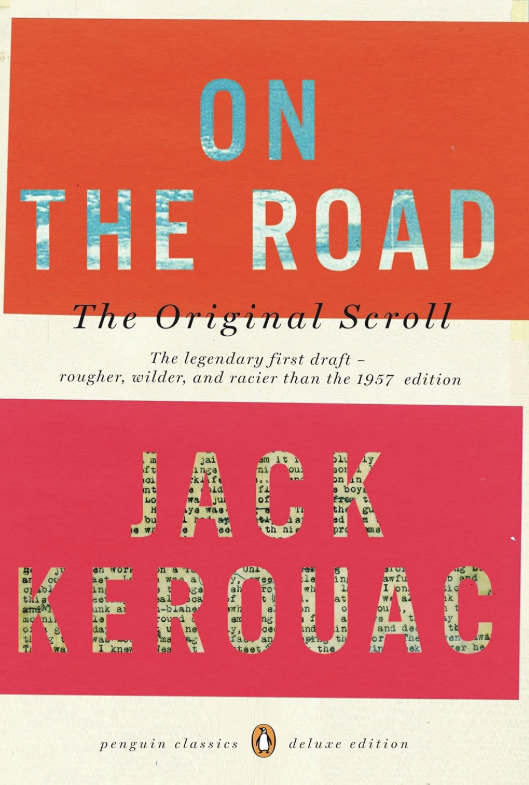
The novel is based on Jack Kerouac's real life in the late 1940s. Kerouac famously typed the entire manuscript in three weeks on a continuous roll of paper, creating what became known as the "original scroll."
Published in 1957, On the Road shocked readers with its depiction of drug use, casual sex, and rejection of conventional life. The New York Times called it the defining work of the Beat Generation, a group of writers who rebelled against postwar conformity and embraced spontaneity, jazz, poetry, and living outside society's rules.
Readers either love this book for its raw energy and rejection of convention, or find it self-indulgent and irresponsible. Dean's charisma comes with real damage to the women in his life and the friends he abandons. The novel doesn't apologize for this, which makes it both honest and uncomfortable.
Perfect for readers who appreciate: Beat Generation literature, road trip narratives, counterculture, jazz and spontaneity, rebellion against conformity
Why We Recommend This Book:
Jack Kerouac became an icon of American counterculture, influencing the hippies of the 1960s and every generation since that's felt suffocated by conventional expectations. He died in 1969 from alcoholism at age 47, having lived the restless life he wrote about.
On the Road is particularly good for thinking about freedom versus stability, what we're actually searching for when we feel restless, and whether constant movement can lead to meaning or just exhaustion. Sal and Dean represent opposing approaches to the same dissatisfaction with conventional life.
The book captured something essential about post-war American youth who came back from World War II and couldn't settle into the suburban dream being sold to them. Kerouac's spontaneous prose style matched the frantic energy of the journeys themselves.