Surprised by Joy: The Shape of My Early Life
“I call it Joy, which is here a technical term and must be sharply distinguished both from Happiness and from Pleasure.”
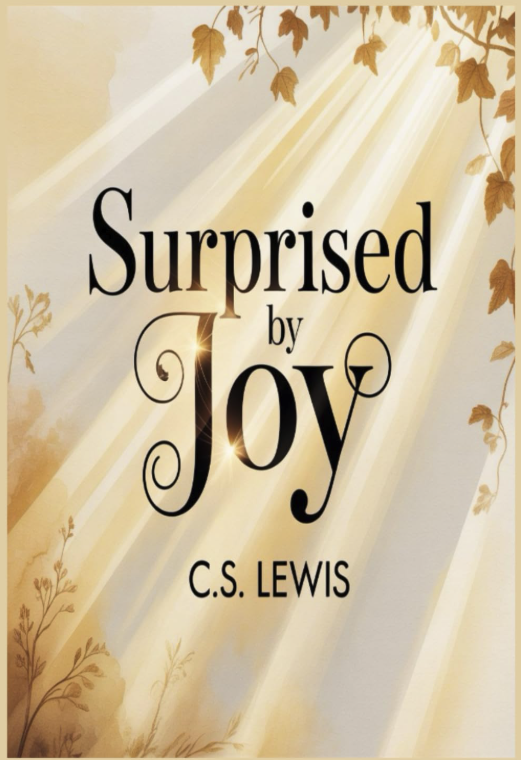
About This Book:
Published: 1955
Genre: Memoir, Spirituality, Philosophy, Christian Literature
Surprised by Joy traces how a staunch atheist and Oxford scholar became one of Christianity's most influential voices.
Lewis focuses on what he calls "Joy"—a particular kind of longing or desire that struck him at unexpected moments throughout his life. It wasn't happiness or pleasure, but something deeper, a sense that something was calling to him from beyond the ordinary world. The book traces how this elusive feeling, along with friendships, books, and philosophical arguments, slowly dismantled his atheism.
The memoir covers Lewis's childhood in Ireland, his miserable boarding school years, his intellectual development, and his time at Oxford where he finally, reluctantly, came to believe in God. Lewis is honest about his resistance. He describes himself as "the most dejected and reluctant convert in all England." He didn't want Christianity to be true, but eventually found he couldn't honestly deny it.
Published in 1955, Surprised by Joy offers a thoughtful, intellectually rigorous look at belief. Lewis doesn't rely on emotional appeals or miraculous experiences. He walks you through the reasoning and experiences that changed his mind.
Perfect for readers who appreciate: Spiritual autobiography, intellectual memoir, philosophy, theology, questions of faith and doubt, literary reflection
Why We Recommend This Book
What makes this memoir interesting isn't that Lewis became a Christian. It's how he got there. Dragged against his will by arguments he couldn't refute and experiences he couldn't dismiss. For anyone who respects intellectual honesty, watching someone follow the evidence even when they hate where it leads is compelling.
This book resonates particularly if you're intellectually skeptical but spiritually curious, or if you've experienced those moments of longing that Lewis describes.