The Road Not Taken
The Road Not Taken
Two roads diverged in a yellow wood,
And sorry I could not travel both
And be one traveler, long I stood
And looked down one as far as I could
To where it bent in the undergrowth;
Then took the other, as just as fair,
And having perhaps the better claim,
Because it was grassy and wanted wear;
Though as for that the passing there
Had worn them really about the same,
And both that morning equally lay
In leaves no step had trodden black.
Oh, I kept the first for another day!
Yet knowing how way leads on to way,
I doubted if I should ever come back.
I shall be telling this with a sigh
Somewhere ages and ages hence:
Two roads diverged in a wood, and I—
I took the one less traveled by,
And that has made all the difference.
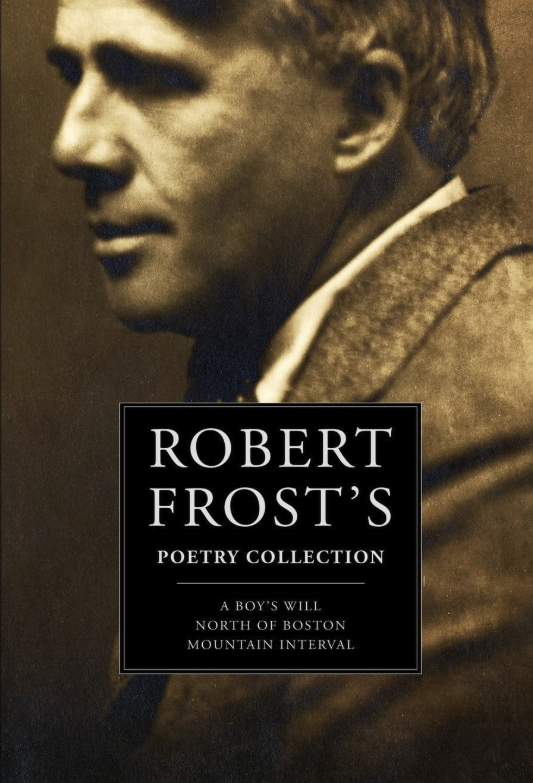
- Robert Frost, Mountain Interval, “The Road Not Taken”
About This Poem:
Published: 1916 (Mountain Interval)
Why the Poet:
Robert Frost is one of America's most famous poets, known for his deceptively simple verses about rural New England life. He won four Pulitzer Prizes and became something of a national treasure, even reading at JFK's inauguration. But Frost was more complex than his folksy reputation suggests. His poems often contain layers of irony and ambiguity that get lost when people treat them as straightforward moral lessons.
Why the Poem:
Robert Frost wrote "The Road Not Taken" as a gentle joke about his friend Edward Thomas, who couldn't make up his mind on their walks together. Thomas would pick a path, then spend the rest of the walk wishing they'd taken the other one. Frost thought this was funny enough to write a poem about.
The joke turned into one of the most famous poems in American history. People quote it at graduations. It's on coffee mugs and posters. Most readers see it as inspiring advice about being an individual and taking risks. Frost himself said the poem was "tricky" and that people often missed what he was actually getting at.
This poem lives in that space where we all actually spend a lot of time: second-guessing our choices. The speaker stands at a fork in the road, picks one, and then immediately starts creating a story about why that choice mattered. He admits both roads looked "really about the same," but knows that someday he'll tell people he took "the one less traveled by."