The Courage to Be Disliked
“All you can do in regard to your own life is choose the best path that you believe in.”
About This Book:
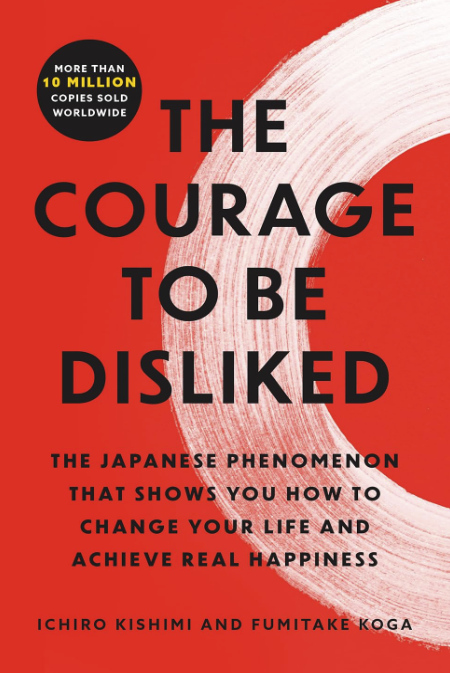
Published: 2013 (English translation 2018)
Genre: Self-Help, Psychology
The book unfolds as a conversation between a philosopher and a frustrated young man over five nights. The young man doesn't believe people can change. The philosopher, drawing on the work of psychologist Alfred Adler, insists they can.
The book's central claim: all your problems come down to relationships with other people, and you can change right now. Not someday after years of therapy. Now. The philosopher argues that we're not controlled by our past or our trauma. We use those things as excuses to avoid the scariness of actually changing.
The most radical idea is in the title. To be free, you need the courage to be disliked. Most of us spend enormous energy trying to be liked, avoiding conflict, staying small. Adler says that's what's making you miserable. Some people will dislike you no matter what you do. Accept it and move on.
Originally published in Japan in 2013, the book sold over 3.5 million copies. The English translation became a sensation, particularly on TikTok, with readers either loving or hating its blunt challenges to conventional psychology.
Ichiro Kishimi is an Adlerian psychologist in Japan. Fumitake Koga is a writer who spent months in dialogue with Kishimi to create the book's conversational format.
Perfect for readers who appreciate: Psychology, self-help, challenging conventional wisdom, philosophical dialogue, personal responsibility
Why We Recommend This Book:
We spend so much energy trying to be liked. We avoid saying what we think, don't pursue what we want, arrange our entire lives around not upsetting people. Then we wonder why we're unhappy. The book says the problem isn't your childhood or your circumstances. The problem is you're too afraid to live the way you actually want to live.
Adler's ideas do come with some controversy. While he does not deny trauma, he does rejects using trauma as a defining excuse for an unhappy life. He says you're responsible for your own happiness regardless of what happened to you. That can be either liberating or offensive. Some mental health professionals have criticized the dismissal of past experiences, and survivors of abuse have found parts of it invalidating.
The dialogue format keeps it from feeling preachy. The young man pushes back hard on everything, voices all your objections, and doesn't accept easy answers. By the end, you'll either think Adler is onto something profound or think the whole thing is oversimplified nonsense. Either way, it'll make you think.